Enrolling children in sports, music classes, language courses, or creative workshops is a great step towards supporting their development. However, as parents, it is natural to ask ourselves: Is my child safe when they are not with me?
In today’s world of childcare, the term “safeguarding” is increasingly used. It refers not only to physical safety and protection from injuries, but also to the broader protection of children from any form of abuse, neglect, bullying, or inappropriate adult behaviour.
Organisations working with children must have clear safeguarding systems in place. Here are the key things parents should look out for to minimise risks and ensure that their children are in a safe environment.
- Check the Child Safeguarding Policy
Every reputable organisation should have a written child safeguarding policy. Do not hesitate to ask to see it.
- What it should include: The policy should clearly define expected staff behaviour, procedures for reporting suspected abuse, and measures governing work with children.
- Accessibility: Is the policy readily available to parents? If an organisation does not have a clearly defined policy, this should be an initial warning sign.
- Check Staff Qualifications and Background Checks
Staff working with children are crucial. Enthusiasm alone is not enough; professional competence and accountability are also essential.
- Licences and training: Do coaches and teachers hold the appropriate qualifications or licences to work with children in their respective fields? Have they received training on recognising and responding to violence against children?
- Background checks: In many countries, people working with children are legally required to provide a criminal record certificate confirming that they have not been convicted of offences against children. Ask the club or school management whether such checks are carried out for all employees and volunteers.
- Observe How Coaches and Teachers Interact with Children
Direct observation provides valuable insight.
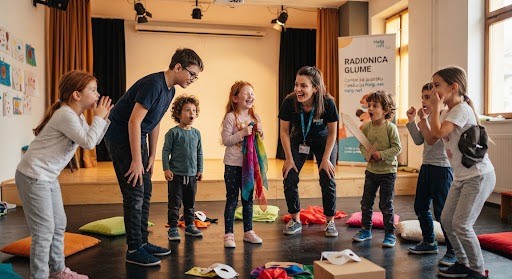
- Communication: Do adults communicate with children in a positive, encouraging, and respectful manner? Do children feel comfortable asking questions or expressing concerns?
- The “never alone” rule: Good safeguarding practice dictates that an adult should never be alone with a child behind closed doors. Spaces should be designed to allow visibility and transparency, for example, through glass panels in doors or open-plan areas.
- An Inclusive Environment
Safety also means ensuring that every child feels welcome.
- Violence prevention: How does the organisation prevent and address conflicts and bullying among children?
- Support for diversity: Is the environment inclusive of children with developmental disabilities and children from diverse backgrounds?
- Transparency and Communication with Parents
An organisation that genuinely cares about children has nothing to hide from parents.
- Open-door policy: Can parents visit an activity without prior notice?
- Information sharing: How does the organisation keep you informed about your child’s progress and any potential problems?
Conclusion
Your involvement as a parent is one of the best ways to protect your child. By asking these questions, you are not questioning an organisation’s professionalism; rather, you are working together with it to build a safe and supportive environment in which your child can grow and learn with confidence.
The Help Net Centre for Support and Inclusion is committed to promoting the highest standards of child safeguarding and supporting families in creating a safe environment for every child.